
Sprint Your Way to Deeper Sleep Tonight

We’re diving into Sleep Optimization Sprints: Testing Bedtime Routines, a practical, experiment-driven approach that empowers you to discover exactly what helps you fall asleep faster, wake less often, and rise energized. Through short, focused cycles, you will trial targeted evening changes, measure results with clarity, reflect honestly, and build sustainable habits that fit your life rather than forcing someone else’s routine onto your nights.

Start Fast: The Sprint Method for Better Nights
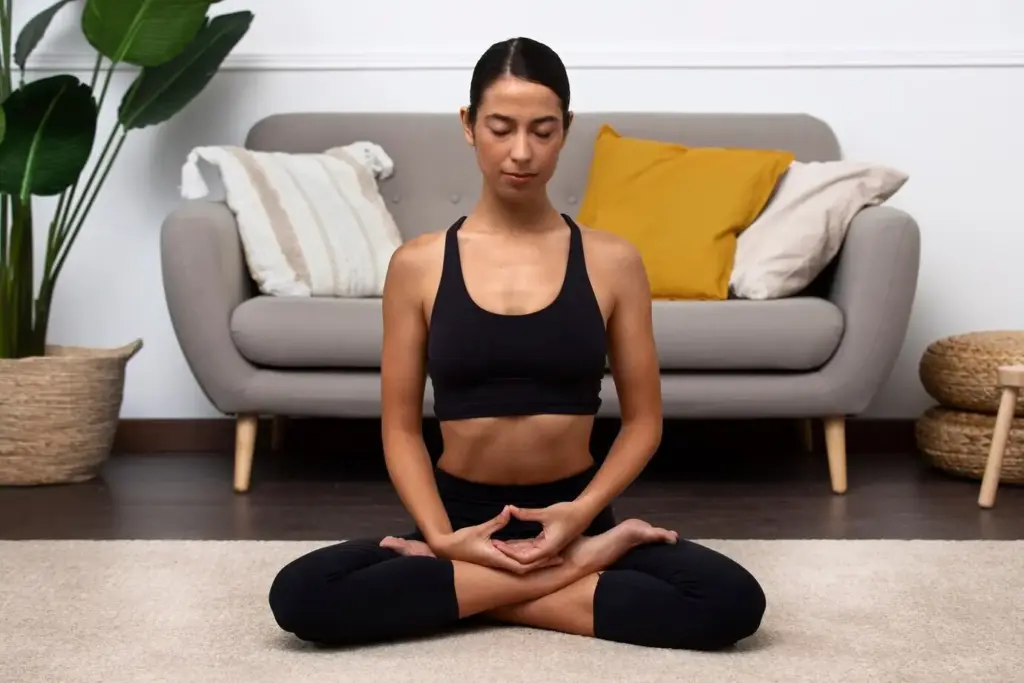
Short cycles create momentum and protect motivation. Instead of endlessly tweaking bedtime habits, you’ll run contained experiments with clear start and end dates, defined metrics, and small, reversible changes. This approach lowers risk, sharpens learning, and turns guesswork into evidence-backed decisions you can trust when your schedule, stress, and seasons inevitably shift.

Design Experiments That Calm the Evening

Effective bedtime experiments are specific, gentle, and repeatable. The best changes reduce arousal and align with circadian biology: dimming light, cooling the body, quieting the mind, and creating predictability. Treat each test like a micro-prototype. Keep variables limited, write down exact steps, and refine nightly until the routine feels frictionless and reassuring.

Measure What Matters, Ignore the Noise
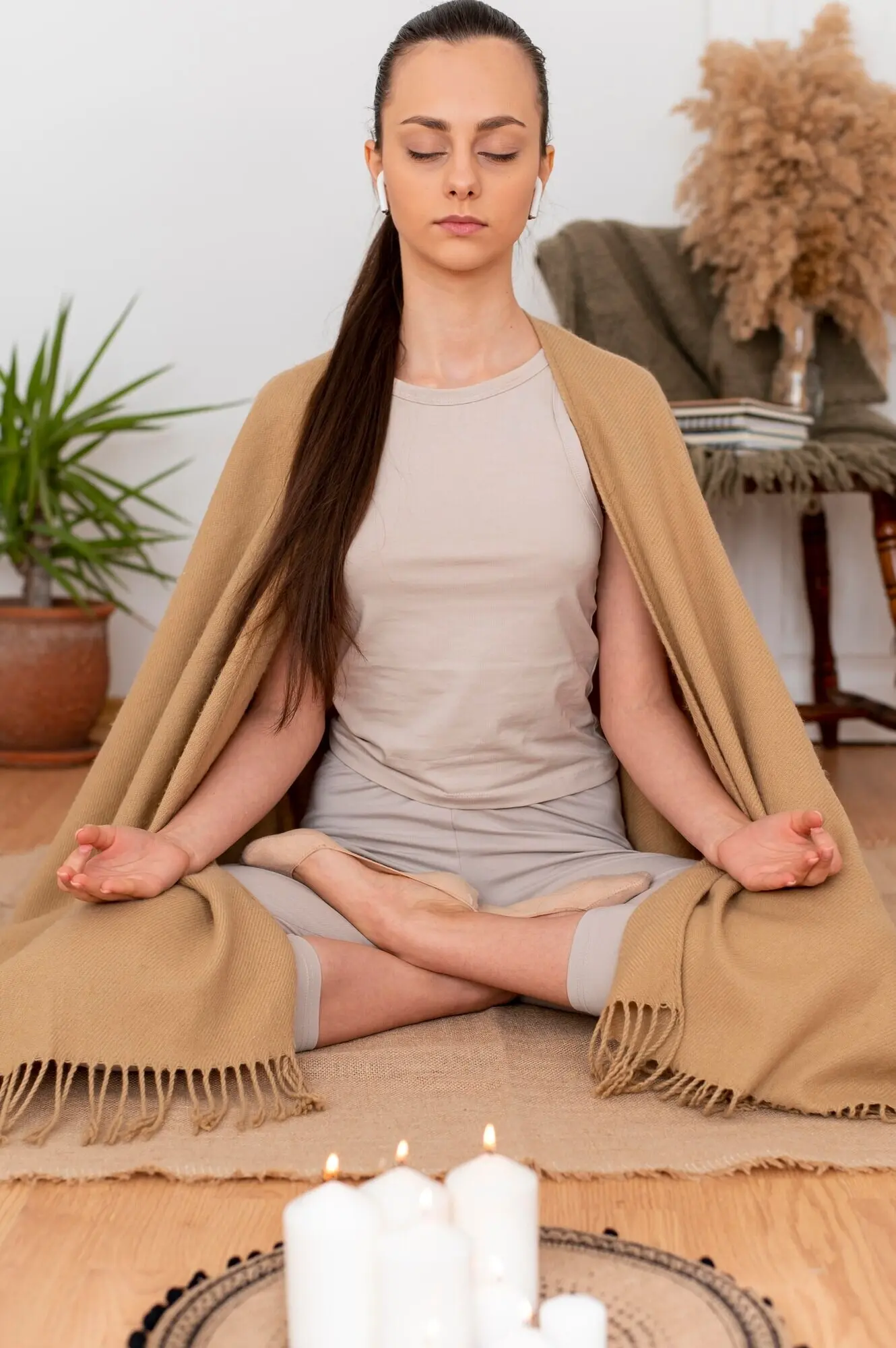
Reliable feedback accelerates progress, but too many numbers muddy the picture. Focus on a tight set of meaningful metrics tied directly to your sprint goal. Combine objective signals with simple subjective markers, then review in context rather than obsessing nightly. Look for weekly trends and repeatable patterns, not perfection or single-night miracles.

Food, Caffeine, and Timing Strategies

Evening nutrition choices subtly shape the night. Caffeine’s half-life can linger for hours, heavy dinners raise body temperature, and alcohol fragments deeper stages. Instead of rigid rules, run structured timing experiments: adjust meal size, macronutrient mix, and cutoffs, then observe downstream effects on latency, awakenings, and morning clarity without moralizing or guilt.

Reset Mind and Body Before Lights-Out

Rest is not only biological; it is also psychological. Busy minds amplify arousal and delay sleep. Gentle downshifts—breathwork, stretching, and cognitive offloading—help your nervous system release the day. Build a short sequence that requires minimal willpower, feels kind, and becomes automatic with repetition, even after stressful evenings or travel days.

Controlled Breathing That Lowers Arousal

Practice resonance breathing near six breaths per minute or try the 4-7-8 pattern for a few cycles. Keep shoulders relaxed, exhale slowly, and notice the soft pause after air leaves. Pair breathing with dim light and quiet music. Track latency changes and how often you wake at night when you consistently apply this practice.

Gentle Movement for a Calm Nervous System

Five to ten minutes of slow stretching, child’s pose, or a brief yin sequence can reduce tension without spiking heart rate. Unclench jaw and hands, scan for tight spots, and soften around them. Movement shifts attention from rumination to sensation, preparing your body to welcome sleep rather than wrestle it into submission tonight.

Iterate, Share, and Sustain Results

Sleep improves most when curiosity outlasts perfectionism. Treat each sprint as a learning loop, not a verdict. Share observations with friends, partners, or our community to stay accountable and discover new ideas. Celebrate small wins, document patterns, and plan your next experiment while motivation is high and your data remains fresh.

Celebrate Small Wins and Patterns

Notice the first signs of progress: an easier exhale at lights-out, fewer clock checks at 2 a.m., a brighter first hour after waking. Write them down, even if imperfect. Momentum compounds when recognized. Invite others to share their micro-wins, and grow a culture that values steady, realistic gains over dramatic, unsustainable leaps.

Pivot When Data Disagree

Sometimes the numbers and your lived experience tell different stories. If a tracker looks better but mornings feel dull, privilege function. Adjust the protocol, retest, and keep your curiosity alive. Science is iterative at home, too. The best routine is the one you can repeat on tough days without resentment or excuses.

Build Your Personal Sleep Playbook

Capture your top three wind-down sequences, caffeine rules that actually work, and recovery strategies for late nights. Keep the playbook handy for travel, deadlines, and seasonal shifts. Share what helps in the comments, ask questions, and subscribe for future sprints. Collective experiments accelerate learning, and your story may spark someone else’s turning point.

Natevotutefovanerekeluhi
Privacy Overview

This website uses cookies so that we can provide you with the best user experience possible. Cookie information is stored in your browser and performs functions such as recognising you when you return to our website and helping our team to understand which sections of the website you find most interesting and useful.